御朱印帳無人販売もしております
お近くにいらしましたら是非お寄りください
We also have an unmanned sales counter for goshuincho.
If you're in the area, please stop by.
https://maps.app.goo.gl/sWWDpsXy1yVTgQ376
-

No S020 彩巡-奉華-(20ページ・表紙ラミネート加工)
¥1,980($12.49)
■商品名:No S019 No S020 彩巡-奉華-(20ページ・表紙ラミネート加工) 120mmx180mmの御朱印帳です。 表紙は厚み3mmに上質紙を使用しています。 中身はかなりしっかりした和紙を採用。 ページ数は薄型の20ページです。 小旅行に気軽に持っていける薄型御朱印帳です 表紙はラミネート加工してあります 神楽の舞のイメージをデザインしたものが施されています。 この御朱印帳は、伝統的な和の美しさを感じさせるアイテムです。心を豊かにする一冊として、あなたの大切な御朱印を丁寧に収納できることでしょう。ぜひ、この特別な御朱印帳で思い出を彩ってください! ■Product Name: No. S019, No. S020, “Saijun - Houka” (20 pages, laminated cover) This is a 120mm x 180mm goshuincho. The cover is made of high-quality paper with a thickness of 3mm. The interior pages are made of very sturdy washi paper. It has a slim format with 20 pages. This slim goshuincho is easy to carry along on short trips. The cover is laminated. It features a design inspired by the Kagura dance.
-

No S019 彩巡-風-(20ページ・表紙ラミネート加工)
¥1,980($12.49)
■商品名:No S019 彩巡-風-(20ページ・表紙ラミネート加工) 120mmx180mmの御朱印帳です。 表紙は厚み3mmに上質紙を使用しています。 中身はかなりしっかりした和紙を採用。 ページ数は薄型の20ページです。 小旅行に気軽に持っていける薄型御朱印帳です 表紙はラミネート加工してあります 神楽の舞のイメージをデザインしたものが施されています。 この御朱印帳は、伝統的な和の美しさを感じさせるアイテムです。心を豊かにする一冊として、あなたの大切な御朱印を丁寧に収納できることでしょう。ぜひ、この特別な御朱印帳で思い出を彩ってください! ■Product Name: No. S019 “Saijun - Kaze” (20 pages, laminated cover) This is a 120mm x 180mm goshuincho. The cover is made of high-quality paper with a thickness of 3mm. The interior pages are made of very sturdy washi paper. It is a slim-style goshuincho with 20 pages. This slim goshuin album is easy to take along on short trips. The cover is laminated. It features a design inspired by the Kagura dance. This goshuin album exudes traditional Japanese beauty. As a book that enriches the soul, it will allow you to carefully store your precious goshuin stamps. Please use this special goshuin album to add color to your memories!
-

No S018 彩巡-鳥-(20ページ・表紙ラミネート加工)
¥1,980($12.49)
■商品名:No S018 彩巡-鳥-(20ページ・表紙ラミネート加工) 120mmx180mmの御朱印帳です。 表紙は厚み3mmに上質紙を使用しています。 中身はかなりしっかりした和紙を採用。 ページ数は薄型の20ページです。 小旅行に気軽に持っていける薄型御朱印帳です 表紙はラミネート加工してあります 神楽の舞のイメージをデザインしたものが施されています。 この御朱印帳は、伝統的な和の美しさを感じさせるアイテムです。心を豊かにする一冊として、あなたの大切な御朱印を丁寧に収納できることでしょう。ぜひ、この特別な御朱印帳で思い出を彩ってください! ■Product Name: No. S018 “Saijun - Bird” (20 pages, laminated cover) This is a 120mm x 180mm goshuincho. The cover is made of high-quality paper with a thickness of 3mm. The interior pages are made of very sturdy washi paper. It features 20 pages in a slim format. This slim goshuincho is easy to take along on short trips. The cover is laminated. It features a design inspired by the Kagura dance. This goshuincho is an item that evokes the beauty of traditional Japanese aesthetics. As a book that enriches the soul, it will carefully preserve your precious goshuin stamps. Please use this special goshuincho to add color to your memories!
-

No S017 彩巡-瑞-(20ページ・表紙ラミネート加工)
¥1,980($12.49)
■商品名:No S017 彩巡-瑞-(20ページ・表紙ラミネート加工) 120mmx180mmの御朱印帳です。 表紙は厚み3mmに上質紙を使用しています。 中身はかなりしっかりした和紙を採用。 ページ数は薄型の20ページです。 小旅行に気軽に持っていける薄型御朱印帳です 表紙はラミネート加工してあります 神楽の舞のイメージをデザインしたものが施されています。 この御朱印帳は、伝統的な和の美しさを感じさせるアイテムです。心を豊かにする一冊として、あなたの大切な御朱印を丁寧に収納できることでしょう。ぜひ、この特別な御朱印帳で思い出を彩ってください! ■Product Name: No. S017 “Saijun - Mizuki” (20 pages, laminated cover) This is a 120mm x 180mm goshuincho. The cover is made of high-quality paper with a thickness of 3mm. The interior pages are made of very sturdy washi paper. It is a slim-style goshuincho with 20 pages. This slim goshuincho is easy to take along on short trips. The cover is laminated. It features a design inspired by the Kagura dance. This goshuincho is an item that evokes the beauty of traditional Japanese aesthetics. As a book that enriches the soul, it will carefully preserve your precious goshuin stamps. Please use this special goshuincho to add color to your memories!
-

No S016 彩巡-光-(20ページ・表紙ラミネート加工)
¥1,980($12.49)
■商品名:No S016 彩巡-光-(20ページ・表紙ラミネート加工) 120mmx180mmの御朱印帳です。 表紙は厚み3mmに上質紙を使用しています。 中身はかなりしっかりした和紙を採用。 ページ数は薄型の20ページです。 小旅行に気軽に持っていける薄型御朱印帳です 表紙はラミネート加工してあります 神楽の舞のイメージをデザインしたものが施されています。 この御朱印帳は、伝統的な和の美しさを感じさせるアイテムです。心を豊かにする一冊として、あなたの大切な御朱印を丁寧に収納できることでしょう。ぜひ、この特別な御朱印帳で思い出を彩ってください! ■Product Name: No. S016 “Saijun - Hikari” (20 pages, laminated cover) This is a 120mm x 180mm goshuincho. The cover is made of high-quality paper with a thickness of 3mm. The interior pages are made of very sturdy washi paper. It is a slim-style goshuincho with 20 pages. This slim goshuincho is easy to take along on short trips. The cover is laminated. It features a design inspired by the Kagura dance. This goshuincho is an item that evokes the beauty of traditional Japanese aesthetics. As a book that enriches the soul, it will carefully preserve your precious goshuin stamps. Please use this special goshuincho to add color to your memories!
-

No S015 彩巡-月-(20ページ・表紙ラミネート加工)
¥1,980($12.49)
■商品名:No S015 彩巡-月-(20ページ・表紙ラミネート加工) 120mmx180mmの御朱印帳です。 表紙は厚み3mmに上質紙を使用しています。 中身はかなりしっかりした和紙を採用。 ページ数は薄型の20ページです。 小旅行に気軽に持っていける薄型御朱印帳です 表紙はラミネート加工してあります 神楽の舞のイメージをデザインしたものが施されています。 この御朱印帳は、伝統的な和の美しさを感じさせるアイテムです。心を豊かにする一冊として、あなたの大切な御朱印を丁寧に収納できることでしょう。ぜひ、この特別な御朱印帳で思い出を彩ってください! ■Product Name: No. S015 “Saijun - Moon” (20 pages, laminated cover) This is a 120mm x 180mm goshuincho. The cover is made of high-quality paper with a thickness of 3mm. The interior pages are made of very sturdy washi paper. It features 20 pages in a slim format. This slim goshuincho is easy to take along on short trips. The cover is laminated. It features a design inspired by the Kagura dance. This goshuincho is an item that evokes the beauty of traditional Japanese aesthetics. As a book that enriches the soul, it will carefully preserve your precious goshuin stamps. Please use this special goshuincho to add color to your memories!
-

No S014 彩巡-響-(20ページ・表紙ラミネート加工)
¥1,980($12.49)
■商品名:No S014 彩巡-響-(20ページ・表紙ラミネート加工) 120mmx180mmの御朱印帳です。 表紙は厚み3mmに上質紙を使用しています。 中身はかなりしっかりした和紙を採用。 ページ数は薄型の20ページです。 小旅行に気軽に持っていける薄型御朱印帳です 表紙はラミネート加工してあります 神楽の舞のイメージをデザインしたものが施されています。 この御朱印帳は、伝統的な和の美しさを感じさせるアイテムです。心を豊かにする一冊として、あなたの大切な御朱印を丁寧に収納できることでしょう。ぜひ、この特別な御朱印帳で思い出を彩ってください! ■Product Name: No. S014 “Saijun - Hibiki” (20 pages, laminated cover) This is a 120mm x 180mm goshuincho. The cover is made of high-quality paper with a thickness of 3mm. The interior pages are made of very sturdy washi paper. It is a slim-style goshuincho with 20 pages. This slim goshuincho is easy to take along on short trips. The cover is laminated. It features a design inspired by the Kagura dance. This goshuincho is an item that evokes the beauty of traditional Japanese aesthetics. As a book that enriches the soul, it will carefully preserve your precious goshuin stamps. Please use this special goshuincho to add color to your memories!
-

No S013 彩巡-祈-(20ページ・表紙ラミネート加工)
¥1,980($12.49)
■商品名:No S013 彩巡-祈-(20ページ・表紙ラミネート加工) 120mmx180mmの御朱印帳です。 表紙は厚み3mmに上質紙を使用しています。 中身はかなりしっかりした和紙を採用。 ページ数は薄型の20ページです。 小旅行に気軽に持っていける薄型御朱印帳です 表紙はラミネート加工してあります 神楽の舞のイメージをデザインしたものが施されています。 彩巡シリーズ唯一の男舞いです この御朱印帳は、伝統的な和の美しさを感じさせるアイテムです。心を豊かにする一冊として、あなたの大切な御朱印を丁寧に収納できることでしょう。ぜひ、この特別な御朱印帳で思い出を彩ってください! ■Product Name: No. S013 “Saijun - Inori” (20 pages, laminated cover) This is a 120mm x 180mm goshuincho. The cover is made of high-quality paper with a thickness of 3mm. The interior pages are made of very sturdy washi paper. It is a slim-style goshuincho with 20 pages. This slim goshuincho is easy to take along on short trips. The cover is laminated. It features a design inspired by the Kagura dance. This is the only design in the Ayameguri series featuring a male dancer. This goshuincho is an item that evokes the beauty of traditional Japanese aesthetics. As a book that enriches the soul, it will carefully preserve your precious goshuin stamps. Please use this special goshuincho to add color to your memories!
-

No S012 彩巡-花-(20ページ・表紙ラミネート加工)
¥1,980($12.49)
■商品名:No S012 彩巡-花-(20ページ・表紙ラミネート加工) 120mmx180mmの御朱印帳です。 表紙は厚み3mmに上質紙を使用しています。 中身はかなりしっかりした和紙を採用。 ページ数は薄型の20ページです。 小旅行に気軽に持っていける薄型御朱印帳です 表紙はラミネート加工してあります 神楽の舞のイメージをデザインしたものが施されています。 この御朱印帳は、伝統的な和の美しさを感じさせるアイテムです。心を豊かにする一冊として、あなたの大切な御朱印を丁寧に収納できることでしょう。ぜひ、この特別な御朱印帳で思い出を彩ってください! ■Product Name: No. S012 “Saijun - Flower” (20 pages, laminated cover) This is a 120mm x 180mm goshuincho. The cover is made of high-quality paper with a thickness of 3mm. The interior pages are made of very sturdy washi paper. It is a slim-style goshuincho with 20 pages. This slim goshuincho is easy to take along on short trips. The cover is laminated. It features a design inspired by the Kagura dance. This goshuincho is an item that evokes the beauty of traditional Japanese aesthetics. As a book that enriches the soul, it will carefully preserve your precious goshuin stamps. Please use this special goshuincho to add color to your memories!
-
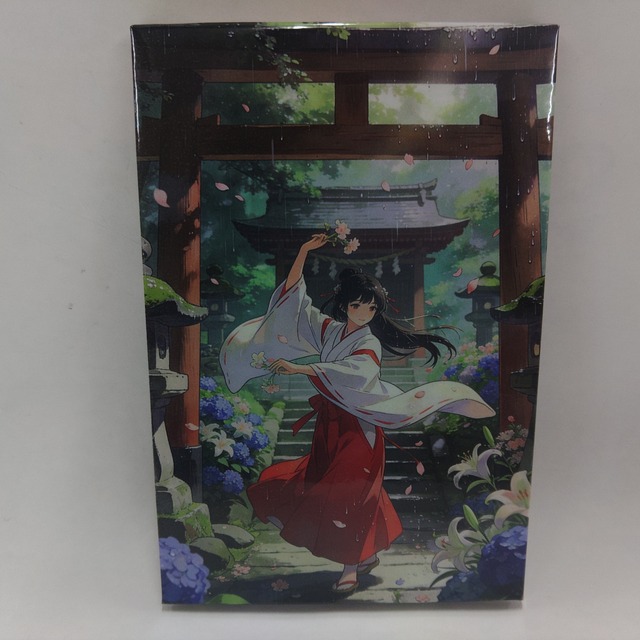
No S011 彩巡-雨-(20ページ・表紙ラミネート加工)
¥1,980($12.49)
■商品名:No S011 彩巡-雨-(20ページ・表紙ラミネート加工) 120mmx180mmの御朱印帳です。 表紙は厚み3mmに上質紙を使用しています。 中身はかなりしっかりした和紙を採用。 ページ数は薄型の20ページです。 小旅行に気軽に持っていける薄型御朱印帳です 表紙はラミネート加工してあります 神楽の舞のイメージをデザインしたものが施されています。 この御朱印帳は、伝統的な和の美しさを感じさせるアイテムです。心を豊かにする一冊として、あなたの大切な御朱印を丁寧に収納できることでしょう。ぜひ、この特別な御朱印帳で思い出を彩ってください! ■Product Name: No. S011 “Saijun - Rain” (20 pages, laminated cover) This is a 120mm x 180mm goshuincho. The cover is made of high-quality paper with a thickness of 3mm. The interior pages are made of very sturdy washi paper. It features 20 pages in a slim format. This slim goshuincho is easy to take along on short trips. The cover is laminated. It features a design inspired by the Kagura dance. This goshuincho is an item that evokes the beauty of traditional Japanese aesthetics. As a book that enriches the soul, it will carefully preserve your precious goshuin stamps. Please use this special goshuincho to add color to your memories!
-

No S010 ミヤコノソラ(20ページ・表紙ラミネート加工)
¥1,980($12.49)
■商品名:No S010 ミヤコノソラ(20ページ・表紙ラミネート加工) 120mmx180mmの御朱印帳です。 表紙は厚み3mmに上質紙を使用しています。 中身はかなりしっかりした和紙を採用。 ページ数は薄型の20ページです。 小旅行に気軽に持っていける薄型御朱印帳です 表紙はラミネート加工してあります 夏のイメージをデザインしたものが施されています。 この御朱印帳は、伝統的な和の美しさを感じさせるアイテムです。心を豊かにする一冊として、あなたの大切な御朱印を丁寧に収納できることでしょう。ぜひ、この特別な御朱印帳で思い出を彩ってください! ■Product Name: No. S010 Miyako no Sora (20 pages, laminated cover) This is a 120mm x 180mm goshuincho. The cover is made of high-quality paper with a thickness of 3mm. The interior pages are made of very sturdy washi paper. It is a slim-style goshuincho with 20 pages. This slim goshuincho is easy to take along on short trips. The cover is laminated. It features a design inspired by summer. This goshuincho is an item that evokes the beauty of traditional Japanese aesthetics. As a book that enriches the soul, it will carefully preserve your precious goshuin stamps. Please use this special goshuincho to add color to your memories!
-

No S009 未到着の夏(20ページ・表紙ラミネート加工)
¥1,980($12.49)
■商品名:No S009 未到着の夏(20ページ・表紙ラミネート加工) 120mmx180mmの御朱印帳です。 表紙は厚み3mmに上質紙を使用しています。 中身はかなりしっかりした和紙を採用。 ページ数は薄型の20ページです。 小旅行に気軽に持っていける薄型御朱印帳です 表紙はラミネート加工してあります 夏のイメージをデザインしたものが施されています。 この御朱印帳は、伝統的な和の美しさを感じさせるアイテムです。心を豊かにする一冊として、あなたの大切な御朱印を丁寧に収納できることでしょう。ぜひ、この特別な御朱印帳で思い出を彩ってください! ■Product Name: No. S009 “Summer Yet to Come” (20 pages, laminated cover) This is a 120mm x 180mm goshuincho. The cover is made of high-quality paper with a thickness of 3mm. The interior pages are made of very sturdy washi paper. It is a slim-style goshuincho with 20 pages. This slim goshuincho is easy to take along on short trips. The cover is laminated. It features a design inspired by summer. This goshuincho is an item that evokes the beauty of traditional Japanese aesthetics. As a book that enriches the soul, it will carefully preserve your precious goshuin stamps. Please use this special goshuincho to add color to your memories!
-

No S008 青澪(20ページ・表紙ラミネート加工)
¥1,980($12.49)
■商品名:No S008 青澪(20ページ・表紙ラミネート加工) 120mmx180mmの御朱印帳です。 表紙は厚み3mmに上質紙を使用しています。 中身はかなりしっかりした和紙を採用。 ページ数は薄型の20ページです。 小旅行に気軽に持っていける薄型御朱印帳です 表紙はラミネート加工してあります 夏のイメージをデザインしたものが施されています。 この御朱印帳は、伝統的な和の美しさを感じさせるアイテムです。心を豊かにする一冊として、あなたの大切な御朱印を丁寧に収納できることでしょう。ぜひ、この特別な御朱印帳で思い出を彩ってください! ■Product Name: No. S008 Seirei (20 pages, laminated cover) This is a 120mm x 180mm goshuincho. The cover is made of high-quality paper with a thickness of 3mm. The interior features very sturdy washi paper. It has 20 pages, making it a slim-profile design. This slim goshuincho is easy to take along on short trips. The cover is laminated. It features a design inspired by summer. This goshuincho is an item that evokes the beauty of traditional Japanese aesthetics. As a book that enriches the soul, it will carefully preserve your precious goshuin stamps. Please use this special goshuincho to add color to your memories!
-

No S007 緑 翠 美禽(20ページ・表紙ラミネート加工)
¥1,980($12.49)
■商品名:No S007 緑 翠 美禽(20ページ・表紙ラミネート加工) 120mmx180mmの御朱印帳です。 表紙は厚み3mmに上質紙を使用しています。 中身はかなりしっかりした和紙を採用。 ページ数は薄型の20ページです。 小旅行に気軽に持っていける薄型御朱印帳です 表紙はラミネート加工してあります 夏のイメージをデザインしたものが施されています。 この御朱印帳は、伝統的な和の美しさを感じさせるアイテムです。心を豊かにする一冊として、あなたの大切な御朱印を丁寧に収納できることでしょう。ぜひ、この特別な御朱印帳で思い出を彩ってください! ■Product Name: No. S007 Green, Emerald, Beautiful Birds (20 pages, laminated cover) This is a 120mm x 180mm goshuincho. The cover is made of high-quality paper with a thickness of 3mm. The interior features very sturdy washi paper. It has 20 pages, making it a slim-profile design. This slim goshuincho is easy to take along on short trips. The cover is laminated. It features a design inspired by summer. This goshuincho is an item that evokes the beauty of traditional Japanese aesthetics. As a book that enriches the soul, it will carefully preserve your precious goshuin stamps. Please use this special goshuincho to add color to your memories!
-

No S006 幻景抄-響(20ページ・表紙ラミネート加工)
¥1,980($12.49)
■商品名:No S006 幻景抄-響(20ページ・表紙ラミネート加工) 120mmx180mmの御朱印帳です。 表紙は厚み3mmに上質紙を使用しています。 中身はかなりしっかりした和紙を採用。 ページ数は薄型の20ページです。 小旅行に気軽に持っていける薄型御朱印帳です 表紙はラミネート加工してあります 夏のイメージをデザインしたものが施されています。 この御朱印帳は、伝統的な和の美しさを感じさせるアイテムです。心を豊かにする一冊として、あなたの大切な御朱印を丁寧に収納できることでしょう。ぜひ、この特別な御朱印帳で思い出を彩ってください! ■Product Name: No. S006 “Genkōshō - Hibiki” (20 pages, laminated cover) This is a 120mm x 180mm goshuincho. The cover is made of high-quality paper with a thickness of 3mm. The interior pages are made of very sturdy washi paper. It is a slim-style goshuincho with 20 pages. This slim goshuincho is easy to take along on short trips. The cover is laminated. It features a design inspired by summer. This goshuincho is an item that evokes the beauty of traditional Japanese aesthetics. As a book that enriches the soul, it will carefully preserve your precious goshuin stamps. Please use this special goshuincho to add color to your memories!
-

No S005 幻景抄-彩(20ページ・表紙ラミネート加工)
¥1,980($12.49)
■商品名:No S005 幻景抄-彩(20ページ・表紙ラミネート加工) 120mmx180mmの御朱印帳です。 表紙は厚み3mmに上質紙を使用しています。 中身はかなりしっかりした和紙を採用。 ページ数は薄型の20ページです。 小旅行に気軽に持っていける薄型御朱印帳です 表紙はラミネート加工してあります 夏のイメージをデザインしたものが施されています。 この御朱印帳は、伝統的な和の美しさを感じさせるアイテムです。心を豊かにする一冊として、あなたの大切な御朱印を丁寧に収納できることでしょう。ぜひ、この特別な御朱印帳で思い出を彩ってください! ■Product Name: No. S005 “Genkōshō - Aya” (20 pages, laminated cover) This is a 120mm x 180mm goshuincho. The cover is made of high-quality paper with a thickness of 3mm. The interior pages are made of very sturdy washi paper. It is a slim-style goshuincho with 20 pages. This slim goshuincho is easy to take along on short trips. The cover is laminated. It features a design inspired by summer. This goshuincho is an item that evokes the beauty of traditional Japanese aesthetics. As a book that enriches the soul, it will carefully preserve your precious goshuin stamps. Please use this special goshuincho to add color to your memories!
-

No S004 幻景抄-游(20ページ・表紙ラミネート加工)
¥1,980($12.49)
■商品名:No S004 幻景抄-游(20ページ・表紙ラミネート加工) 120mmx180mmの御朱印帳です。 表紙は厚み3mmに上質紙を使用しています。 中身はかなりしっかりした和紙を採用。 ページ数は薄型の20ページです。 小旅行に気軽に持っていける薄型御朱印帳です 表紙はラミネート加工してあります 夏のイメージをデザインしたものが施されています。 この御朱印帳は、伝統的な和の美しさを感じさせるアイテムです。心を豊かにする一冊として、あなたの大切な御朱印を丁寧に収納できることでしょう。ぜひ、この特別な御朱印帳で思い出を彩ってください! ■Product Name: No. S004 “Genkōshō - Yū” (20 pages, laminated cover) This is a 120mm x 180mm goshuincho. The cover is made of high-quality paper with a thickness of 3mm. The interior pages are made of very sturdy washi paper. It is a slim-style goshuincho with 20 pages. This slim goshuincho is easy to take along on short trips. The cover is laminated. It features a design inspired by summer. This goshuincho is an item that evokes the beauty of traditional Japanese aesthetics. As a book that enriches the soul, it will carefully preserve your precious goshuin stamps. Please use this special goshuincho to add color to your memories!
-

No S003 夏の呼吸-風(20ページ・表紙ラミネート加工)
¥1,980($12.49)
■商品名:No S003 夏の呼吸-風(20ページ・表紙ラミネート加工) 120mmx180mmの御朱印帳です。 表紙は厚み3mmに上質紙を使用しています。 中身はかなりしっかりした和紙を採用。 ページ数は薄型の20ページです。 小旅行に気軽に持っていける薄型御朱印帳です 表紙はラミネート加工してあります 夏のイメージをデザインしたものが施されています。 この御朱印帳は、伝統的な和の美しさを感じさせるアイテムです。心を豊かにする一冊として、あなたの大切な御朱印を丁寧に収納できることでしょう。ぜひ、この特別な御朱印帳で思い出を彩ってください! ■Product Name: No. S003 Summer Breath—Wind (20 pages, laminated cover) This is a 120mm x 180mm goshuincho. The cover is made of high-quality paper with a thickness of 3mm. The interior pages are made of very sturdy washi paper. It is a slim-style goshuincho with 20 pages. This slim goshuincho is easy to take along on short trips. The cover is laminated. It features a design inspired by summer. This goshuincho is an item that evokes the beauty of traditional Japanese aesthetics. As a book that enriches the soul, it will carefully preserve your precious goshuin stamps. Please use this special goshuincho to add color to your memories!
-

No S002 夏の呼吸-蒼(20ページ・表紙ラミネート加工)
¥1,980($12.49)
■商品名:No S002 夏の呼吸-蒼(20ページ・表紙ラミネート加工) 120mmx180mmの御朱印帳です。 表紙は厚み3mmに上質紙を使用しています。 中身はかなりしっかりした和紙を採用。 ページ数は薄型の20ページです。 小旅行に気軽に持っていける薄型御朱印帳です 表紙はラミネート加工してあります 夏のイメージをデザインしたものが施されています。 この御朱印帳は、伝統的な和の美しさを感じさせるアイテムです。心を豊かにする一冊として、あなたの大切な御朱印を丁寧に収納できることでしょう。ぜひ、この特別な御朱印帳で思い出を彩ってください! ■Product Name: No. S002 Summer Breath - Blue (20 pages, laminated cover) This is a 120mm x 180mm goshuincho. The cover is made of high-quality paper with a thickness of 3mm. The interior pages are made of very sturdy washi paper. It is a slim-style goshuincho with 20 pages. This slim goshuincho is easy to take along on short trips. The cover is laminated. It features a design inspired by summer. This goshuincho is an item that evokes the beauty of traditional Japanese aesthetics. As a book that enriches the soul, it will carefully preserve your precious goshuin stamps. Please use this special goshuincho to add color to your memories!
-

No S001 夏の呼吸-滴(20ページ・表紙ラミネート加工)
¥1,980($12.49)
■商品名:No S001 夏の呼吸-滴(20ページ・表紙ラミネート加工) 120mmx180mmの御朱印帳です。 表紙は厚み3mmに上質紙を使用しています。 中身はかなりしっかりした和紙を採用。 ページ数は薄型の20ページです。 小旅行に気軽に持っていける薄型御朱印帳です 表紙はラミネート加工してあります 夏のイメージをデザインしたものが施されています。 この御朱印帳は、伝統的な和の美しさを感じさせるアイテムです。心を豊かにする一冊として、あなたの大切な御朱印を丁寧に収納できることでしょう。ぜひ、この特別な御朱印帳で思い出を彩ってください! ■Product Name: No. S001 “Summer Breath—Drops” (20 pages, laminated cover) This is a 120mm x 180mm goshuincho. The cover is made of high-quality paper with a thickness of 3mm. The interior features very sturdy washi paper. It has 20 pages, making it a slim-profile design. This slim goshuincho is easy to take along on short trips. The cover is laminated. It features a design inspired by summer. This goshuincho is an item that evokes the beauty of traditional Japanese aesthetics. As a book that enriches the soul, it will carefully preserve your precious goshuin stamps. Please use this special goshuincho to add color to your memories!
-

No 353 生り坐せる-流
¥1,980($12.49)
■商品名:No 353 生り坐せる-流 48ページ 120mmx180mmの御朱印帳です。 表紙は厚み3mmに上質紙を使用しています。 中身はかなりしっかりした和紙を採用。 ページ数は標準の48ページです。 表紙は「言の葉シリーズ」言葉から連想されたイメージをデザインしたものが施されています。 この御朱印帳は、伝統的な和の美しさを感じさせるアイテムです。心を豊かにする一冊として、あなたの大切な御朱印を丁寧に収納できることでしょう。ぜひ、この特別な御朱印帳で思い出を彩ってください! ■Product Name: No. 353 “Nari-zaseru-ryū” 48 Pages This is a 120mm x 180mm goshuin album. The cover is made of high-quality paper with a thickness of 3mm. The interior pages are made of very sturdy washi paper. It contains the standard 48 pages. The cover features a design inspired by images evoked by words from the “Kotonoha Series.” This goshuin album exudes traditional Japanese beauty. As a book that enriches the soul, it will carefully preserve your precious goshuin stamps. Please use this special goshuin album to add color to your memories!
-

No 352 生り坐せる-発
¥1,980($12.49)
■商品名:No 352 生り坐せる-発 48ページ 120mmx180mmの御朱印帳です。 表紙は厚み3mmに上質紙を使用しています。 中身はかなりしっかりした和紙を採用。 ページ数は標準の48ページです。 表紙は「言の葉シリーズ」言葉から連想されたイメージをデザインしたものが施されています。 この御朱印帳は、伝統的な和の美しさを感じさせるアイテムです。心を豊かにする一冊として、あなたの大切な御朱印を丁寧に収納できることでしょう。ぜひ、この特別な御朱印帳で思い出を彩ってください! ■Product Name: No. 352 “Nari-zaseru” – First Edition, 48 Pages This is a 120mm x 180mm goshuin album. The cover is made of high-quality paper with a thickness of 3mm. The interior pages are made of very sturdy washi paper. It contains the standard 48 pages. The cover features a design inspired by images evoked by words from the “Kotonoha Series.” This goshuin album exudes traditional Japanese beauty. As a book that enriches the soul, it will carefully preserve your precious goshuin stamps. Please use this special goshuin album to add color to your memories!
-

No 351 生り坐せる-未
¥1,980($12.49)
■商品名:No 351 生り坐せる-未 48ページ 120mmx180mmの御朱印帳です。 表紙は厚み3mmに上質紙を使用しています。 中身はかなりしっかりした和紙を採用。 ページ数は標準の48ページです。 表紙は「言の葉シリーズ」言葉から連想されたイメージをデザインしたものが施されています。 この御朱印帳は、伝統的な和の美しさを感じさせるアイテムです。心を豊かにする一冊として、あなたの大切な御朱印を丁寧に収納できることでしょう。ぜひ、この特別な御朱印帳で思い出を彩ってください! ■Product Name: No. 351 “Nari-zaseru - Mi” 48 Pages This is a goshuin album measuring 120mm x 180mm. The cover is made of high-quality paper with a thickness of 3mm. The interior pages are made of very sturdy washi paper. It contains the standard 48 pages. The cover features a design inspired by images evoked by words from the “Kotonoha Series.” This goshuin album exudes traditional Japanese beauty. As a book that enriches the soul, it will carefully preserve your precious goshuin stamps. Please use this special goshuin album to add color to your memories!
-

No 350 内から外へ
¥1,980($12.49)
■商品名:No 350 内から外へ 48ページ 120mmx180mmの御朱印帳です。 表紙は厚み3mmに上質紙を使用しています。 中身はかなりしっかりした和紙を採用。 ページ数は標準の48ページです。 表紙は「言の葉シリーズ」言葉から連想されたイメージをデザインしたものが施されています。 この御朱印帳は、伝統的な和の美しさを感じさせるアイテムです。心を豊かにする一冊として、あなたの大切な御朱印を丁寧に収納できることでしょう。ぜひ、この特別な御朱印帳で思い出を彩ってください! ■Product Name: No. 350 “From the Inside Out” 48 Pages This is a 120mm x 180mm goshuincho. The cover is made of high-quality paper with a thickness of 3mm. The interior pages are made of very sturdy washi paper. It contains the standard 48 pages. The cover features a design from the “Kotonoha Series,” inspired by images evoked by words. This goshuin album exudes traditional Japanese beauty. As a book that enriches the soul, it will carefully preserve your precious goshuin stamps. Please use this special goshuin album to add color to your memories!
